SCHOOL PROFILE
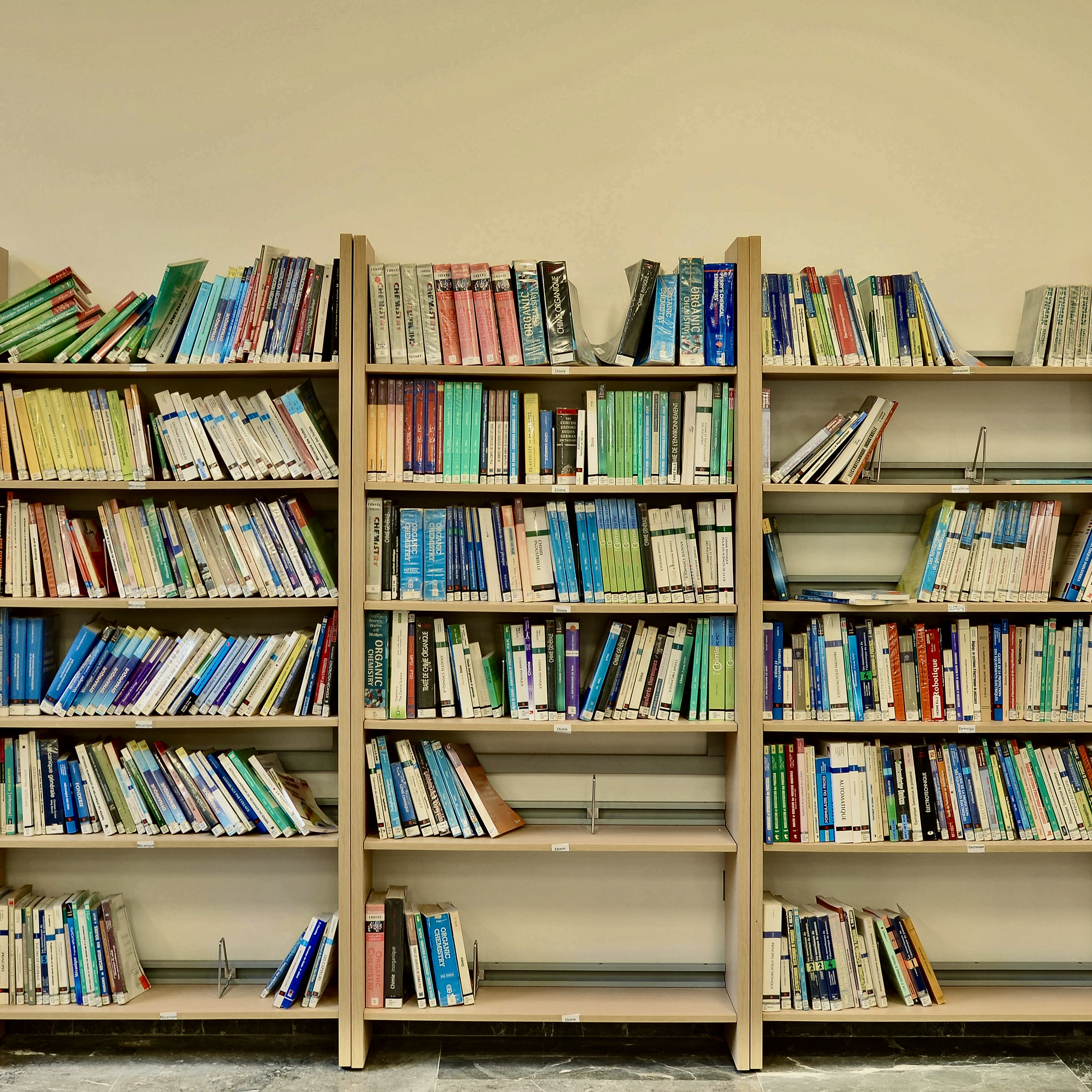
Sabah Chinese High School is located on a spacious 25-acre campus in Tawau, offering a vibrant and supportive environment for both academic and personal growth. The campus includes 27 classrooms, science labs, tailoring and electronics rooms, as well as dedicated art and music studios. The Gek Poh Library holds over 30,000 titles, and the symphony hall, dance rooms, and rehearsal spaces further enrich students’ creative journeys. To support holistic development, the school provides various co-curricular and sports facilities — including a multi-purpose hall, basketball and volleyball courts, a 4-acre sports field, and boarding services for students from across the region. Blending culture, comfort, and function, the campus is designed as a space where students can learn, express, and thrive.
SCHOOL IDENTITY
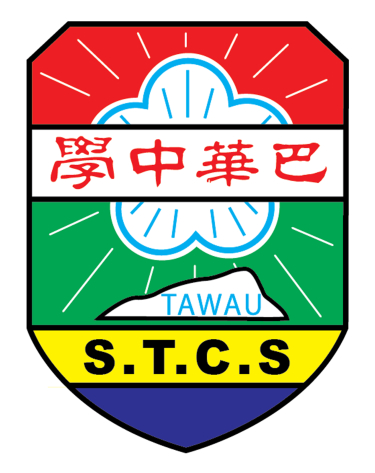
The STCS emblem takes the form of a heraldic shield and features five colors from the Sabah State flag: red, yellow, blue, green, and white — representing our deep roots in Sabah. At its center, a plum blossom symbolizes resilience and integrity, echoing the spirit of perseverance in Chinese culture. Above it, Mount Kinabalu, Southeast Asia’s highest peak, represents our pursuit of academic excellence and high aspirations. Radiating light rays suggest a bright future and continuous growth.The acronym S.T.C.S. reflects our school’s name in Bahasa Malaysia.
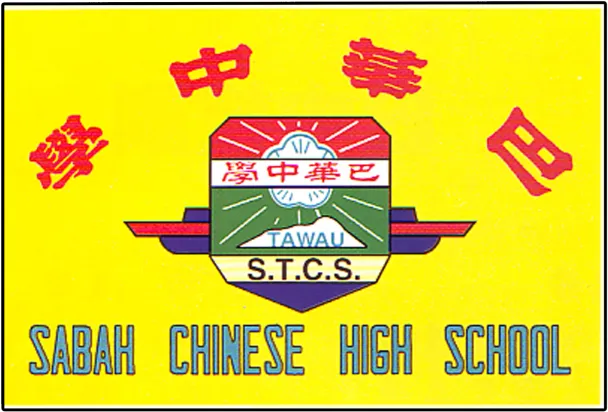
The flag features a light yellow background, with the school’s Chinese name in red, English name in blue, and the school emblem placed at the center — symbolizing unity, multicultural pride, and a shared identity.
SCHOOL POLICY

- To encourage patriotism among students and to be adept to international exposure.
- To inculcate staid moral values among students while readying them for a virtuous adulthood.
- To have strong emphasis on the teaching of Chinese, English and Malay.
- To implement both the Chinese independent secondary school courses and the government school courses, and take into account the intra-curricular and extra-curricular activities.
- To encourage students to take public exams locally and abroad.
- To uphold and endorse virtuous Chinese culture.